Follow Me On Social Media!


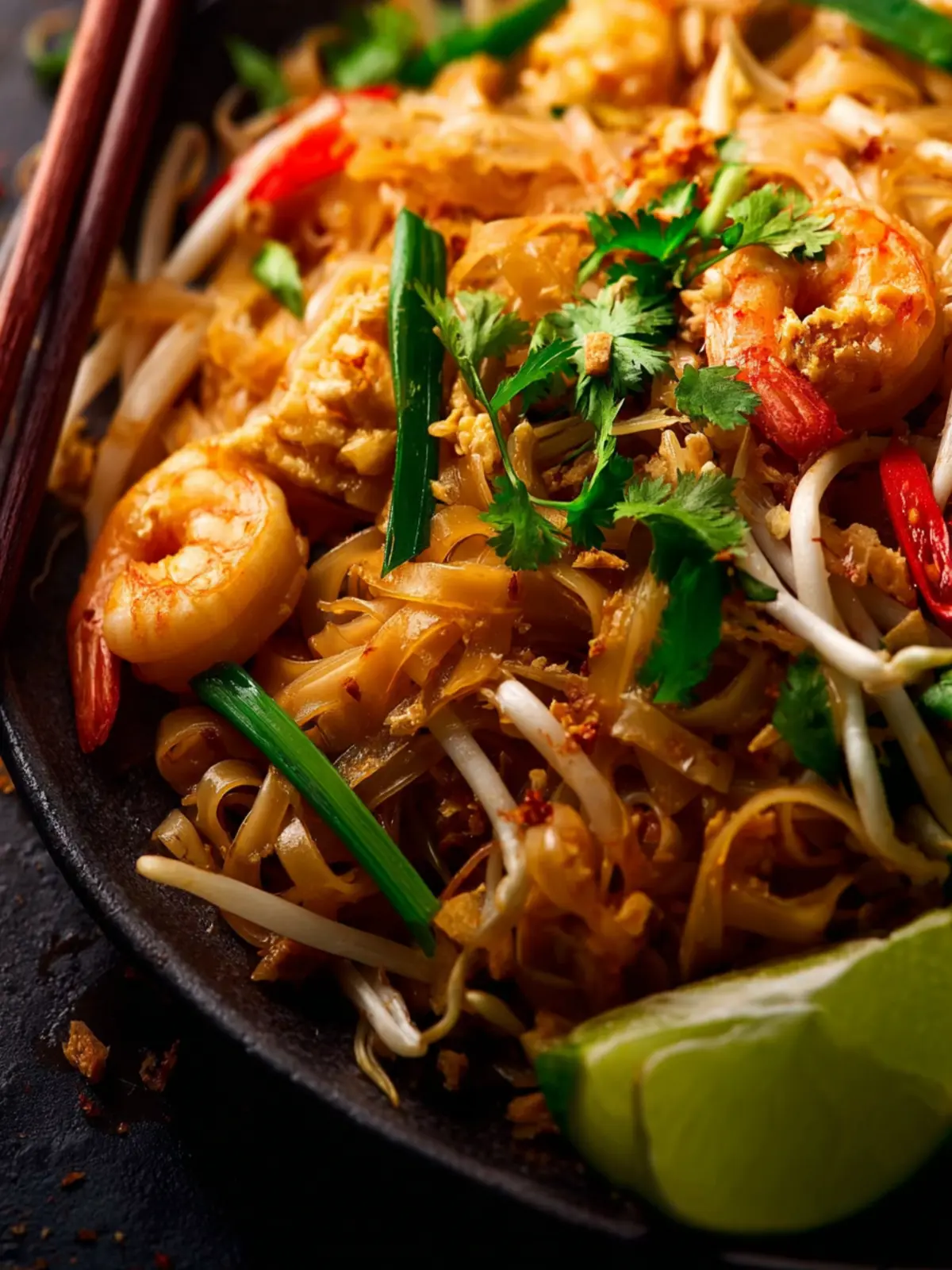
Pad Thai Magic: The Best Homemade Take on a Classic

Introduction to Pad Thai
Pad Thai is more than just a dish; it’s a delightful journey into the vibrant culinary culture of Thailand. Imagine a fragrant stir-fry brimming with savory notes, perfectly cooked rice noodles, and a harmony of fresh ingredients. This beloved dish, often considered Thailand’s national treasure, beautifully balances sweet, sour, and salty flavors, making it a must-try for both novices and seasoned food lovers alike.
What makes Pad Thai a beloved dish?
The secret behind Pad Thai’s widespread adoration lies in its complex yet approachable flavor profile. Here’s why people can’t get enough:
-
Balance of Flavors: Pad Thai artfully combines sweet tamarind paste, salty fish sauce, and a hint of sugar, ensuring every bite leaves you craving more. Each element plays a unique role, creating a satisfying palate experience.
-
Nutty Goodness: The addition of crushed peanuts not only enhances the dish’s flavor but also creates a lovely crunch that contrasts beautifully with the soft noodles and tender vegetables.
-
Fresh Ingredients: Freshness is key in Pad Thai. Traditionally, it incorporates proteins like shrimp, chicken, or tofu, along with vibrant veggies such as bean sprouts and green onions. This not only adds nutrition but infuses the dish with life.
-
Customizable Versatility: One of the great joys of Pad Thai is its adaptability. Whether you prefer a vegetarian take or love the umami of seafood, it can easily be tailored to suit any dietary preference. This makes it a hit at dinner parties and casual get-togethers alike.
-
Global Appeal: Over time, Pad Thai has crossed borders, appearing in food stalls and restaurants worldwide. Its worldwide presence is a testament to its irresistible charm.
When you step into the world of Pad Thai, you’re not just preparing a meal; you’re participating in a rich culinary heritage. This dish invites you to enjoy a unique gastronomic experience from the bustling streets of Bangkok to your home kitchen.
Ready to dive deeper into bringing this iconic dish to life? Let’s explore the essential ingredients that will transform your kitchen into a Thai paradise.
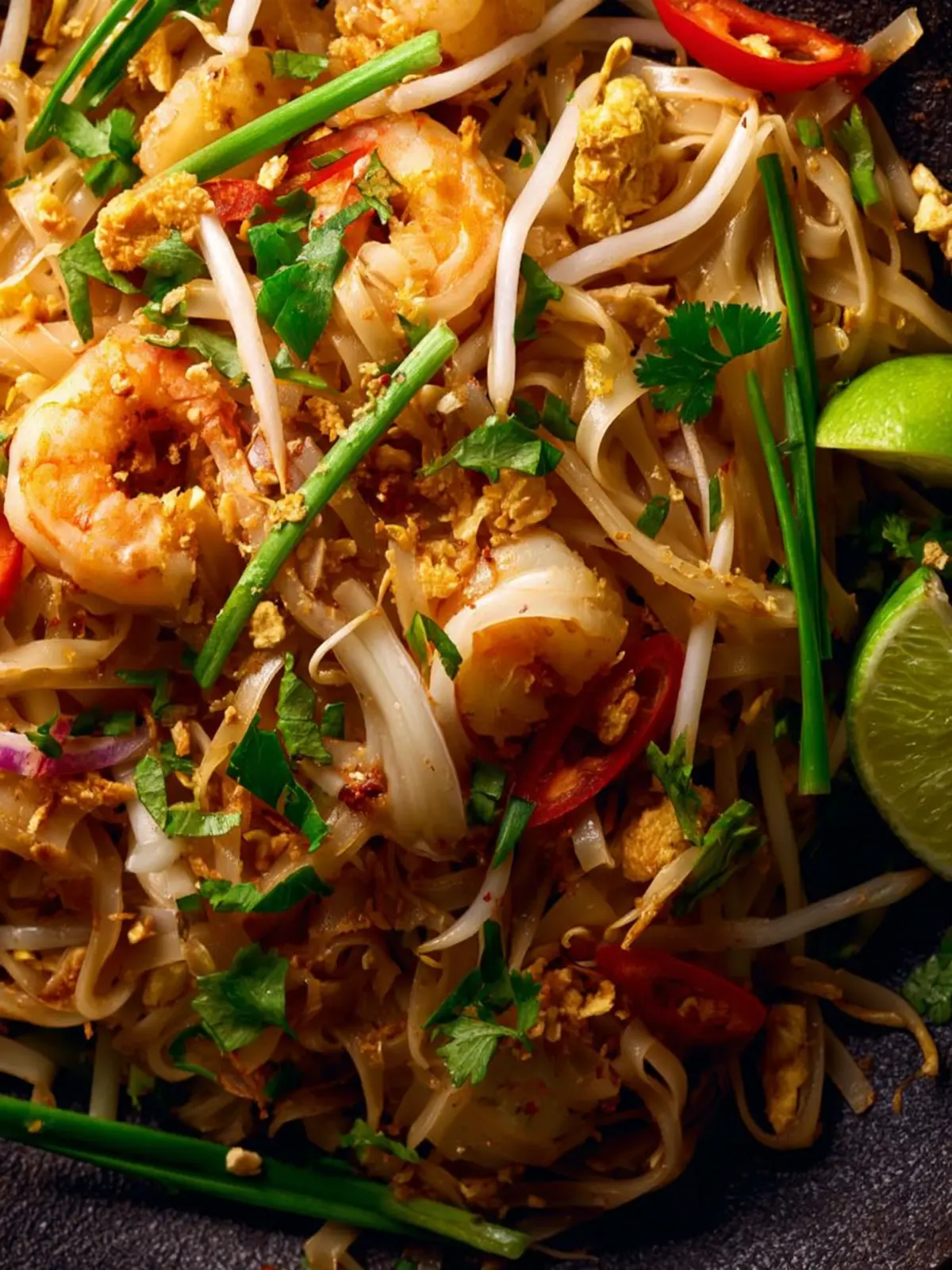
Key Ingredients for Pad Thai
Pad Thai is a delightful dish that tells a story of vibrant flavors, a fusion of textures, and a dash of culinary tradition. Each ingredient plays a crucial role, creating a balance that makes this dish so memorable. Let’s dive into the key elements you’ll need to craft an authentic Pad Thai at home.
-
Rice Noodles: The foundation of any Pad Thai lies in its noodles. I recommend using flat rice noodles for that perfect chewy texture. Soak them in hot water until tender, but don’t overcook—you’re looking for a fine balance!
-
Protein: Chicken, shrimp, or tofu all make wonderful choices. Each brings its own flavor profile, so choose depending on your preference. I personally enjoy shrimp for that lovely briny taste.
-
Eggs: Adding eggs gives a rich and creamy texture to your Pad Thai. Scrambling them into the noodles helps bind everything together beautifully.
-
Tamarind Paste: This is the star ingredient for the tangy sauce. It brings a unique flavor that you simply can’t replicate with substitutables, so make sure to grab some for that genuine touch.
-
Fish Sauce: A splash of fish sauce adds a savory umami flavor that elevates your dish. It’s irreplaceable, so don’t skip this one!
-
Peanuts: Chopped roasted peanuts add crunch and an earthy element. They really tie the dish together, providing contrast to the soft noodles.
-
Green Onions, Lime Juice, and Bean Sprouts: These fresh ingredients contribute brightness and crunch. A squeeze of lime just before serving lifts the dish even further.
Incorporating these ingredients with care will ensure your Pad Thai is both authentic and delicious, creating a meal that’s not just food, but a shared experience around the table.
Why You’ll Love This Pad Thai
There’s something enchanting about a plate of Pad Thai that effortlessly whisks you away to the bustling streets of Bangkok. This beloved dish is more than just a meal; it tells a story through each bite, combining a harmony of flavors that serve to tantalize your taste buds. From the first whiff of aromatic spices to the final crunch of fresh peanuts atop the noodles, you will understand why this dish has won hearts globally.
A Delicious Balance of Flavors
Pad Thai is a beautiful blend of sweet, salty, and tangy notes, making it a favorite for many food lovers. The salty essence of the fish sauce perfectly contrasts the sweetness of tamarind paste, while a squeeze of lime adds a refreshing twist. Together, these elements create a culinary experience that’s rich in flavor yet light enough to enjoy any day of the week.
Fresh Ingredients Matter
What really elevates homemade Pad Thai is the use of fresh ingredients. From plump shrimp (or your choice of protein) to vibrant vegetables like bell peppers and bean sprouts, each component contributes to that authentic taste you crave. Spice it up with chili flakes, and don’t forget those crushed peanuts for that perfect textural crunch!
Customizable and Satisfying
One of the best parts about this dish is its versatility. Whether you prefer a vegetarian version or a meat-packed plate, Pad Thai can be easily tailored to your dietary preferences. It’s not just a dish; it’s a canvas for your culinary creativity! You’ll surely appreciate how this comforting classic can fit seamlessly into your lifestyle, bringing a bit of Thai magic into your kitchen.

Cooking Tips for Perfect Pad Thai
Creating the ideal Pad Thai experience at home can feel like a journey, one that transforms a simple weeknight dinner into a culinary adventure. Let’s explore some tips that will turn your dish into a vibrant meal bursting with intoxicating flavors.
Choose Quality Ingredients
The secret to Pad Thai lies in using fresh produce and authentic ingredients. Fresh bean sprouts provide that crunchy texture, while ripe limes give a necessary zesty kick. Consider visiting an Asian grocery store for the best rice noodles and tamarind paste. These ingredients can make a huge difference in flavor compared to their substitutes.
Master the Noodle Technique
Pasta preparation is key! Soak your rice noodles in hot water until they’re just al dente but not fully cooked. You’ll finish them off in the pan with the sauce, which will deepen their flavor and prevent them from turning mushy.
The Wok is Your Best Friend
Using a wok over high heat creates that signature smoky flavor known as “wok hei.” Make sure to have all your ingredients prepped and ready to go since cooking in a hot wok is swift. The hearty sizzle you hear will tell you that your Pad Thai is coming together perfectly.
Balance the Flavors
Ensure a balance of sweet, salty, sour, and spicy. Tamarind adds sourness, while sugar and fish sauce provide the sweet and salty notes. A splash of chili flakes or fresh chili can spice things up for those who crave heat!
By keeping these tips in mind, your Pad Thai will not only impress your taste buds but also anyone lucky enough to share a meal with you. Enjoy the cooking journey, and remember, practice makes perfect!
Time Breakdown for Making Pad Thai
Crafting the perfect Pad Thai is not only about the ingredients; it’s also about timing. When you balance your preparation and cooking skills, you’ll unveil a dish that bursts with authentic flavors in no time.
Preparation time
Getting your ingredients ready takes about 15 minutes. Chop your veggies, measure out sauces, and prepare proteins like tofu or shrimp to streamline the process.
Cooking time
The actual cooking is quick, clocking in at around 10-15 minutes. Stir-frying over high heat ensures that everything cooks evenly while maintaining that delightful texture.
Total time
In total, you’re looking at approximately 30 minutes from start to finish. With a well-timed approach, you’ll have a scrumptious bowl of Pad Thai ready to impress any dinner guest.
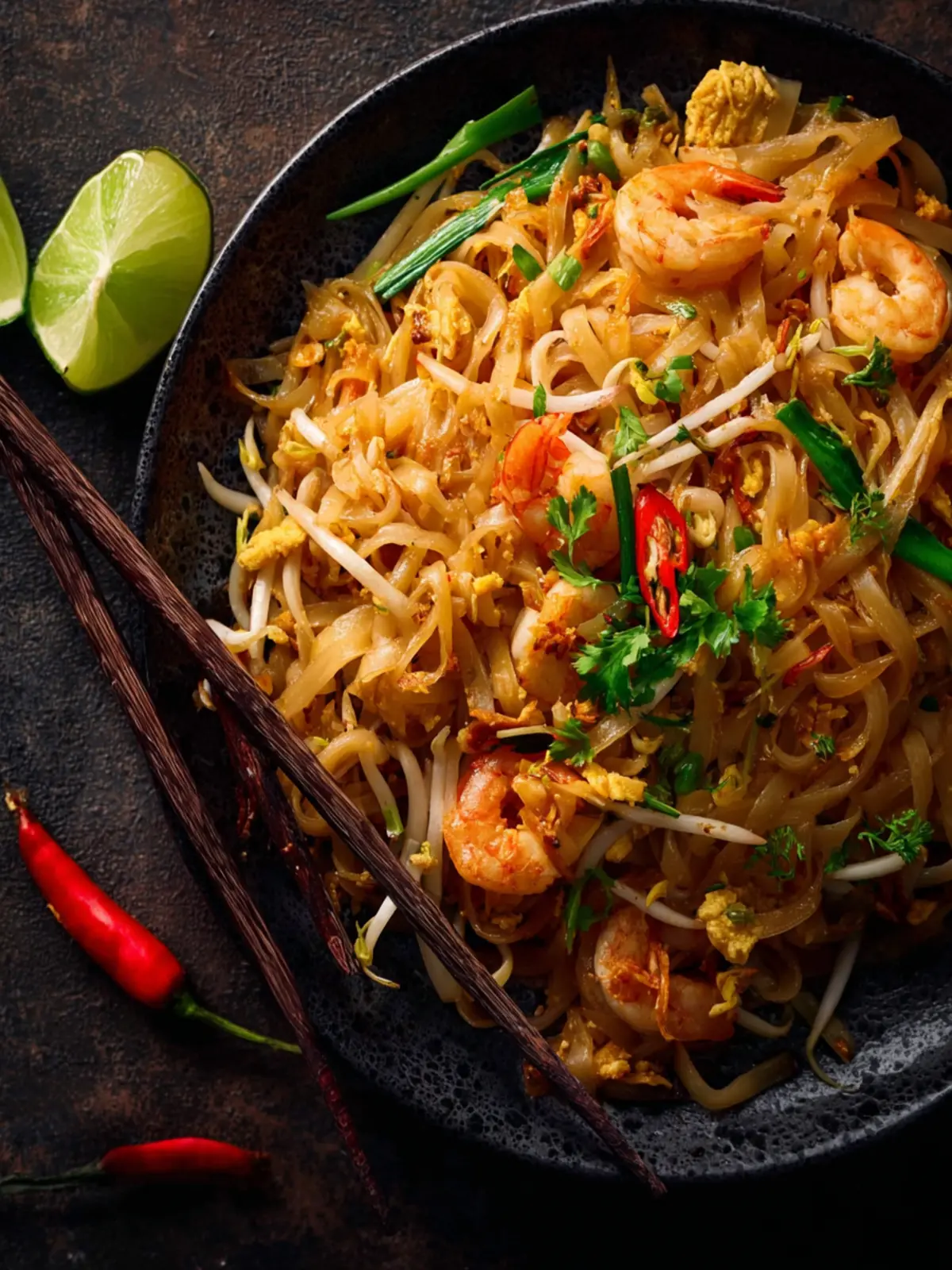
Nutritional Facts for Pad Thai
The delightful Pad Thai is more than just a crowd-pleaser; it packs a decent nutritional punch as well. Here’s a closer look at the nutritional profile of this beloved dish, so you can enjoy every flavorful bite while keeping your health in mind.
Calories
A typical serving of Pad Thai contains approximately 400-500 calories. This makes it a satisfying option for lunch or dinner without overwhelming your daily caloric intake.
Protein
One of the standout features of Pad Thai is its protein content. Depending on your choice of protein—be it chicken, shrimp, or tofu—you can expect around 20-30 grams of protein per serving. This richness helps keep you full and supports muscle maintenance.
Sodium
However, it’s wise to note that Pad Thai can be a bit high in sodium, often ranging from 1000-1500 milligrams per serving, especially when incorporating sauces like soy sauce. Balancing it with fresh veggies can help create a healthier version that maintains flavor without the excess salt.
Being informed about these nutritional facts can help you enjoy #PadThai while making choices that align with your health goals.
FAQ about Pad Thai
When it comes to making Pad Thai, many have questions about this delightful dish that brings the flavors of Thailand right to your table. Whether you’re a seasoned chef or a curious home cook, these FAQs will enhance your Pad Thai experience.
Can I make Pad Thai vegetarian or vegan?
Absolutely! Pad Thai can easily adapt to a vegetarian or vegan diet. Simply replace proteins like shrimp or chicken with tofu or tempeh for that satisfying texture. Use soy sauce or tamari instead of fish sauce, and feel free to load up on fresh vegetables like bell peppers, carrots, and broccoli. Additionally, substitute the egg with a plant-based alternative or simply leave it out. You won’t sacrifice flavor while catering to your dietary needs!
What are the best sides to serve with Pad Thai?
Pairing your Pad Thai with complementary sides can elevate your meal! Here are some popular choices:
- Spring Rolls: Crispy and filled with fresh veggies, these are a perfect starter.
- Thai Salad: A light salad with lime dressing can balance the richness of the Pad Thai.
- Cucumber Relish: A tangy cucumber salad can add a refreshing crunch.
- Tom Yum Soup: The vibrant flavors of this soup start your meal off with a kick.
How do I store leftover Pad Thai?
If you find yourself with extra Pad Thai, don’t worry; storing it is simple! Place leftovers in an airtight container and refrigerate for up to 3 days. When you’re ready to enjoy your meal, gently reheat it in a pan over medium heat, adding a splash of water or sauce to keep it moist. You can also use the microwave, but be careful not to overcook it! Homemade Pad Thai is best enjoyed fresh, but with just a few tips, you can savor those delicious leftovers.
Conclusion on Pad Thai
In summary, creating your very own Pad Thai at home is a delightful adventure filled with vibrant flavors and textures. Whether you choose to stick with the classic recipe or add your personal twist, the joy of cooking this dish lies in the love and care you put into every ingredient. From the tender rice noodles to the savory sauce and fresh toppings, each bite takes you on a journey to the bustling streets of Thailand. It’s not just dinner; it’s an experience you can savor anytime. So grab your wok, gather your ingredients, and enjoy a deliciously satisfying meal that’s bound to impress!
Print
Prawn Noodle Stir Fry
- Total Time: 25 minutes
- Yield: 4 servings 1x
- Diet: Gluten-Free
Description
A delicious stir fry with prawns, noodles, and a mix of flavorful ingredients. Perfect for a quick meal!
Ingredients
Scale
- 175 g (6 oz) dried 5mm-wide flat rice noodles
- 1 tsp sesame oil
- 50 g (1 oz) pot of potted brown shrimp (the teeny tiny shrimp in butter)
- 1 1/2 tbsp vegetable oil
- 1/4 tsp salt
- pinch garlic salt
- 20 large raw king prawns (peeled and de-veined)
- 3 cloves garlic (peeled and minced)
- ½ tsp dried chilli flakes
- 2 eggs (beaten)
- 2 tbsp fish sauce
- 1 tsp tamarind paste
- 2 tbsp sweet chilli sauce
- 1 tbsp soft brown sugar
- 2 tsp shrimp paste
- 2 tbsp dark soy sauce (or tamari for gluten-free)
- 1 tbsp Thai preserved radish (chopped, optional)
- 40 g (1/3 cup) roasted peanuts (coarsely chopped)
- 4 spring onions (scallions) (halved, then finely sliced lengthways)
- 100 g (3 oz) fresh bean sprouts (mung bean sprouts)
- 2 tbsp roughly chopped coriander/cilantro
- 2 limes (sliced into wedges)
- 1 fresh red chilli (sliced)
- extra chopped coriander/cilantro (spring onions, chopped peanuts and chilli flakes)
Instructions
- Boil a large pan of water and add the noodles. Turn off the heat and leave to stand for 3-4 minutes. Drain, then rinse with cold water until cold. Drizzle on the sesame oil and toss together to prevent the noodles from sticking.
- Heat a large wok over a high heat. Add the potted shrimp in butter, vegetable oil, salt, and garlic salt. Fry for 2-3 minutes until lightly golden.
- Remove the shrimp with a slotted spoon and place in a bowl, leaving the oil in the wok.
- Add the king prawns, garlic, and dried chilli flakes to the oil in the wok. Fry for 2-3 minutes until the king prawns just start to turn pink.
- Whisk the eggs together and add to the prawns. Fry, stirring often with a spatula until the eggs are just scrambled.
- Turn down the heat to medium and add the noodles, potted shrimp, fish sauce, tamarind paste, sweet chilli sauce, sugar, shrimp paste, and soy sauce/tamari. Toss everything together, heating for about 5 minutes, until the noodles are hot. Keep the noodles moving around the wok to stop them sticking, and ensure any pieces of shrimp paste are broken up.
- Add the preserved radish, peanuts, spring onions (scallions), beansprouts, and coriander (cilantro). Toss together and cook for a further 1-2 minutes, until the beansprouts are just heated through.
- Serve with lime wedges and top with fresh red chillies. You can also sprinkle on extra coriander/cilantro, spring onions, chopped peanuts, and chilli flakes if you like.
Notes
- Note 1: The potted brown shrimp can be substituted with any small shrimp in butter if unavailable.
- Prep Time: 10 minutes
- Cook Time: 15 minutes
- Category: Main Course
- Method: Stir fry
- Cuisine: Asian
Nutrition
- Serving Size: 1 plate
- Calories: 500
- Sugar: 6 g
- Sodium: 900 mg
- Fat: 25 g
- Saturated Fat: 4 g
- Unsaturated Fat: 15 g
- Trans Fat: 0 g
- Carbohydrates: 50 g
- Fiber: 4 g
- Protein: 30 g
- Cholesterol: 200 mg