Follow Me On Social Media!


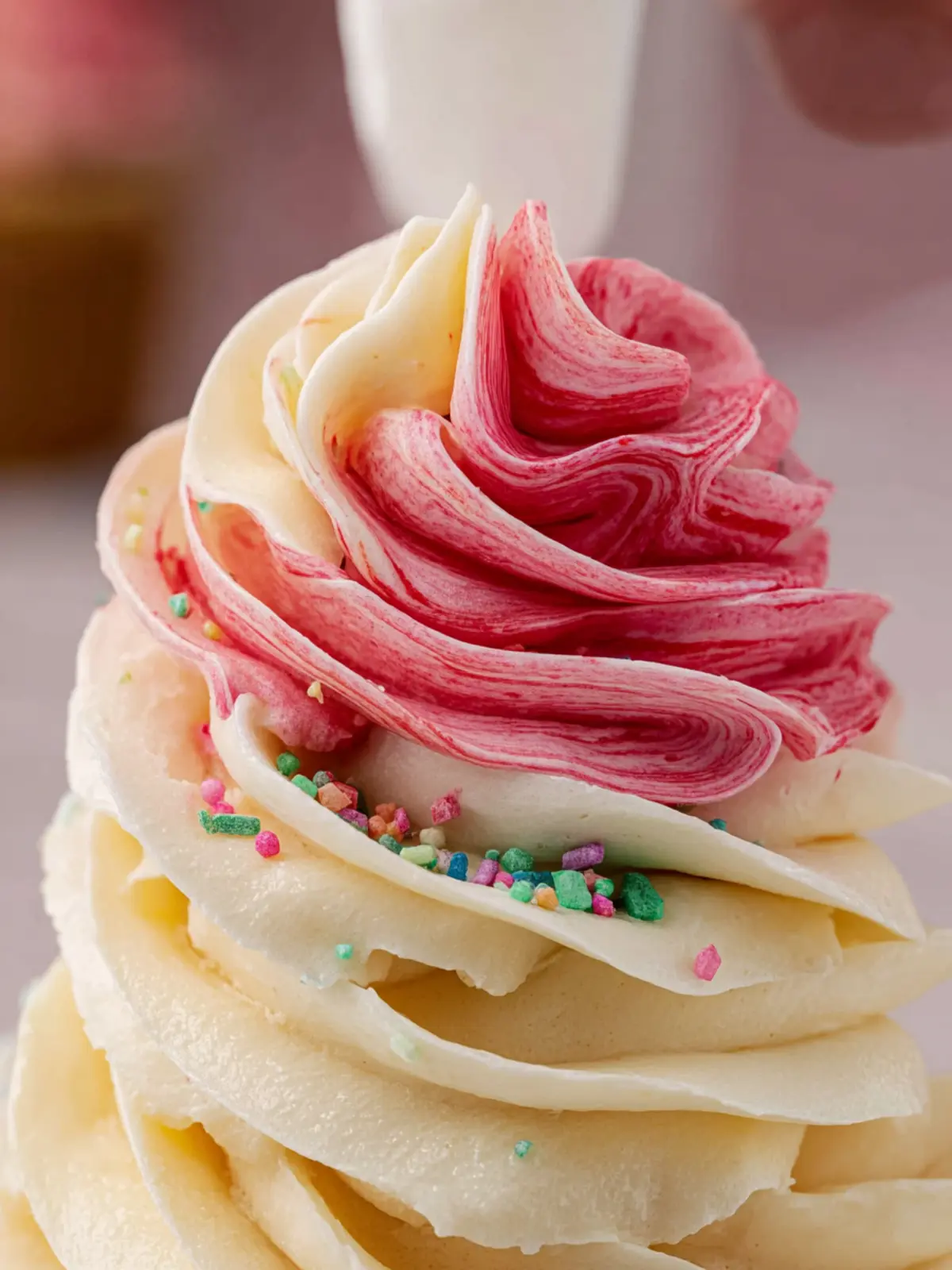
Not Too Sweet Buttercream Frosting: Indulgent Yet Light!

Introduction to Not Too Sweet Buttercream Frosting
Baking brings people together, and there’s something charming about whipping up a batch of not too sweet buttercream frosting to top your favorite desserts. This delightful frosting strikes that perfect balance between sweetness and creaminess, allowing the flavors of your cake or cupcake to shine without overwhelming your palate. With its smooth texture and versatility, this not too sweet buttercream frosting is sure to become a staple in your kitchen.
Many bakers have fond memories of frosting their first cake, the excitement of spreading that fluffy icing across layers of chocolate or vanilla while feeling a rush of creativity. The beauty of buttercream lies in its adaptability, as it can suit any occasion, from birthday parties to everyday treats. It’s the joy of creating something special that inspires us to share recipes like this one with friends and family.
Why Buttercream Frosting is a Favorite Among Bakers
Buttercream frosting isn’t just popular for its flavor; it’s celebrated for its ease of preparation and endless possibilities. Here’s why many bakers, including professionals, choose buttercream:
-
Simple Ingredients: The basic technique requires just butter, powdered sugar, and milk—ingredients that are often already in your pantry. You can easily add flavors like vanilla, cocoa, or even fruit purees for variations.
-
Customizable Consistency: By adjusting the amount of powdered sugar or milk, you can create a frosting that’s either thick for piping decorative swirls or softer for spreading. This flexibility makes it perfect for all types of baked goods.
-
Great for Decorating: Its ability to hold shape means that you can create beautiful designs, making it ideal for special occasions. Whether you want to pipe roses or create smooth finishes, buttercream can do it all.
-
Flavor-Friendly: Unlike overly sweet frostings, this not too sweet buttercream frosting allows the distinct flavors of the cake to shine through. It’s the perfect complement rather than a competing flavor.
Baking with this frosting isn’t just about creating delicious treats; it’s a way to share moments and memories. So gather your ingredients and let’s make baking magic together!
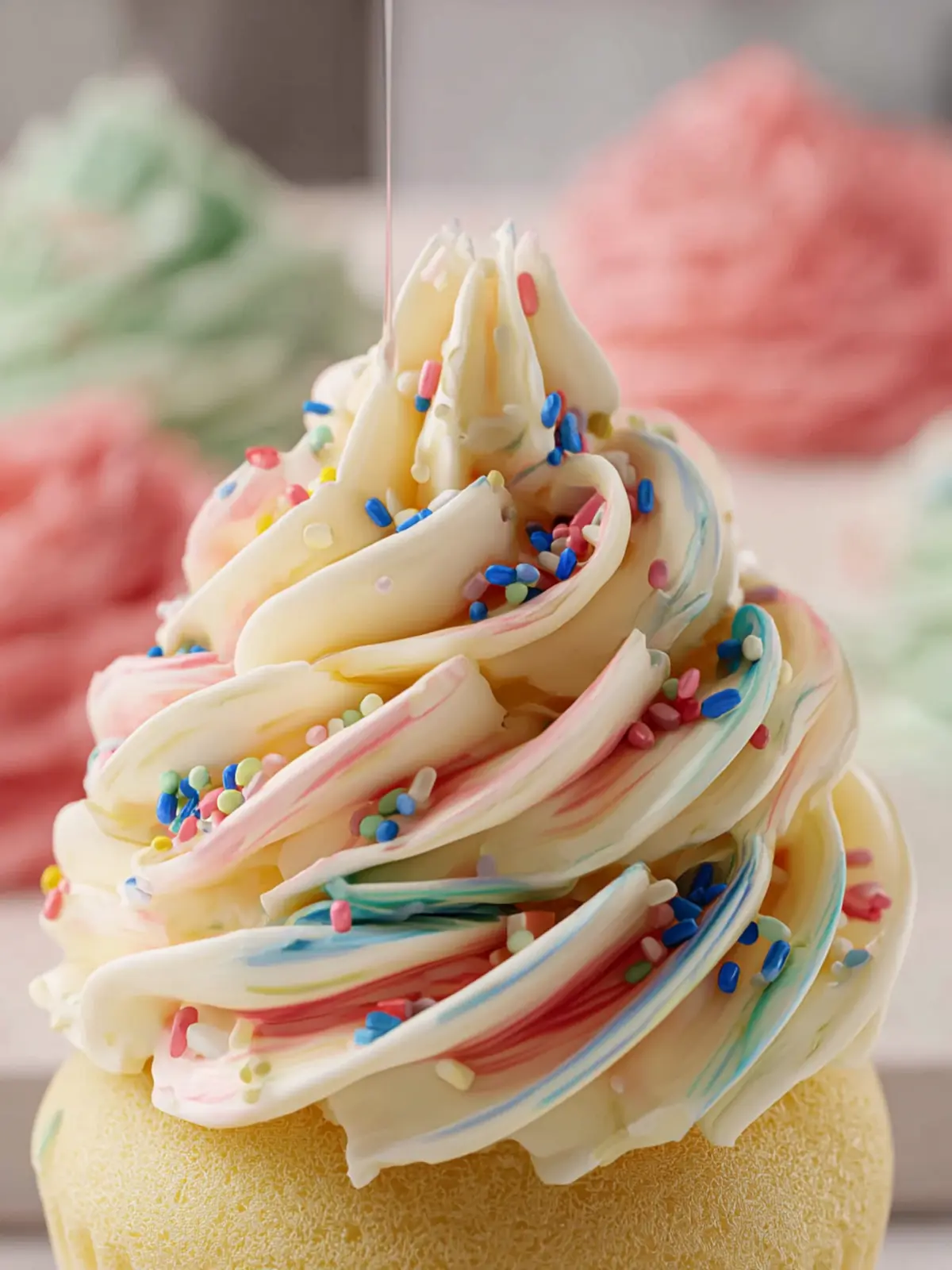
Key Ingredients for Not Too Sweet Buttercream Frosting
Creating the perfect not too sweet buttercream frosting doesn’t just happen; it requires a thoughtful selection of ingredients that harmonize beautifully. Each component plays a vital role in achieving a balanced flavor profile that enhances your baked goods.
-
Butter: Start with unsalted butter to control the level of salt in your recipe. I recommend using room-temperature butter, which helps achieve a creamy texture that’s easy to spread. The richness of the butter is what makes this frosting truly delightful.
-
Powdered Sugar: While many recipes call for a mountain of sugar, I prefer a more moderate approach. The key here is to use high-quality powdered sugar, which dissolves easily and contributes to the smooth consistency without overwhelming sweetness.
-
Heavy Cream: A splash of heavy cream works wonders in achieving a light and airy texture, giving that luxurious mouthfeel. If you want to lighten it up a bit, you can also use milk, but heavy cream provides the richest flavor.
-
Vanilla Extract: This ingredient adds a subtle warmth that enhances the overall flavor profile. I always use pure vanilla extract for the best taste, since imitation vanilla can be overpowering and less aromatic.
These ingredients come together to make a not too sweet buttercream frosting that’s ideal for various desserts—perfect for those who appreciate frosting without the sugar rush!
Why You’ll Love This Not Too Sweet Buttercream Frosting
Using not too sweet buttercream frosting can transform an ordinary dessert into a memorable one. Unlike typical frostings that can overwhelm the palate, this version strikes the perfect balance, allowing the cake or cupcake flavors to shine. Imagine taking a bite into a rich chocolate cupcake topped with this light and airy frosting, where the sweetness is more of a subtle whisper than a loud shout.
A Balanced Sweetness
The charm of not too sweet buttercream frosting lies in its ability to enhance rather than mask your baked goods. By using less sugar than traditional recipes, you allow the vanilla and butter flavors to come forward, creating a richly satisfying experience. This frosting complements a variety of desserts, from decadent cakes to simple cookies.
Ideal for Any Occasion
Whether it’s a birthday party or a casual afternoon treat, this frosting fits seamlessly into any setting. Its versatility means you can easily customize it with flavors like lemon or espresso, making it a fantastic choice for special occasions or everyday indulgence.
An Easy Recipe to Love
Making not too sweet buttercream frosting is a breeze, requiring minimal ingredients and time. You’ll appreciate how simple it is to whip up this frosting, even for beginner bakers. This delightful blend of flavors and easy preparation will have you coming back for more!

Tips for Making Perfect Not Too Sweet Buttercream Frosting
Creating the ideal not too sweet buttercream frosting is a delightful culinary adventure. As you embark on this journey, remember that achieving the perfect balance of flavors and textures is key. Here are some friendly tips to help you master this frosting without overwhelming your taste buds.
Quality Ingredients Matter
Using high-quality unsalted butter can make all the difference. It provides a rich, creamy base that complements the sweetness rather than masking it. If possible, choose butter with a higher fat content for a silkier texture.
Sugar Selection Is Important
Opt for powdered sugar for your not too sweet buttercream frosting. This type dissolves easily, allowing for a smoother finish. You can also experiment with less sugar than the recipe calls for; gradually adjusting the amount will help you hit that perfect sweetness level.
Room Temperature Butter Is Key
Make sure your butter is at room temperature; this allows it to blend seamlessly with other ingredients. Cold butter makes it harder to achieve that creamy consistency, which can lead to a lumpy frosting.
Flavor Enhancements
Incorporating a splash of vanilla extract or a zest of lemon can elevate your not too sweet buttercream frosting, adding depth without unnecessary sweetness.
Whip It Good
Don’t be shy with your mixer! Whipping the mixture well aerates it, resulting in a light and fluffy frosting that melts in your mouth.
By following these friendly tips, you’ll be well on your way to creating the perfect not too sweet buttercream frosting that’ll elevate any dessert. Happy baking!
Time Details for Not Too Sweet Buttercream Frosting
Creating your not too sweet buttercream frosting is a delightful experience that doesn’t require much of your time. You’ll soon find that the process is quick and rewarding—perfect for any aspiring home baker.
Preparation Time
The first step involves gathering your ingredients, which takes about 5 minutes. Make sure your butter is at room temperature, as this is crucial for achieving that smooth and creamy texture.
Mixing Time
Mixing the ingredients will occupy about 10-15 minutes. Be sure to whip the ingredients until they’re light and fluffy—this is where the magic happens!
Total Time
In total, you’ll need around 15-20 minutes to whip up your not too sweet buttercream frosting. This quick recipe makes it easy to elevate your baked goods without a huge time commitment. Whether it’s a casual weekday treat or a special occasion, this frosting is ready to impress in no time!
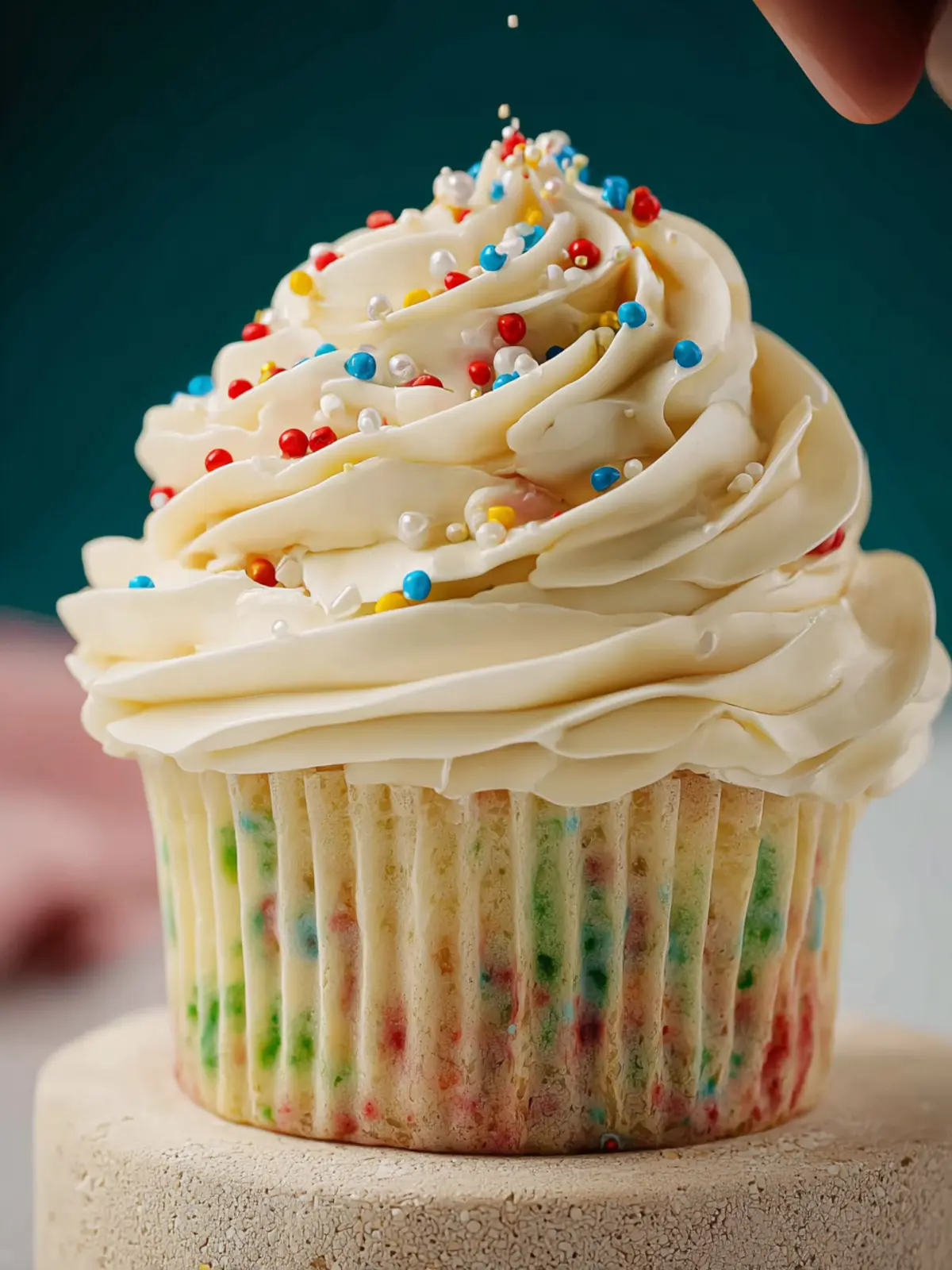
Nutritional Information for Not Too Sweet Buttercream Frosting
Creating the perfect not too sweet buttercream frosting means not just thinking about taste but also understanding its nutritional value. You’re likely enjoying this frosting as part of a cherished celebration, so knowing what you’re adding to your cake can help you indulge thoughtfully.
Calories
One serving of not too sweet buttercream frosting typically contains around 100 calories. This makes it a delightful addition without overwhelming your cake or your diet.
Sugars
With approximately 10 grams of sugar per serving, this frosting strikes a balance. It’s sweet enough to satisfy your cravings but not overly sugary, allowing the rich flavor of butter to shine through.
Fat
The creaminess of this frosting comes from its fat content, which is about 5 grams per serving. Most of this fat comes from the butter, providing a smooth texture that pairs beautifully with various desserts.
Indulging in this not too sweet buttercream frosting means enjoying a treat that balances flavor and nutrition. Whether you’re frosting a birthday cake or simply making dessert a little more special, this recipe has you covered!
FAQs about Not Too Sweet Buttercream Frosting
Creating not too sweet buttercream frosting can truly elevate your dessert game, but naturally, you might have some questions. Let’s delve into some common queries to help you make the most of your buttercream frosting experience.
How can I adjust the sweetness of the frosting?
If you find that your frosting is a bit sweet for your taste, there are easy tweaks you can make. Consider the following options:
- Reduce the sugar: Start by cutting the sugar quantity by about 25%. This simple adjustment can lead to a perfectly balanced sweetness.
- Add more flavoring: Incorporating additional flavoring extracts (like vanilla or almond) can help mask the sweetness while enhancing the overall taste.
- Combine with other frostings: Mixing your not too sweet buttercream with a cream cheese frosting can create a delightful balance of flavors and sweetness.
Can I use this frosting for different desserts?
Absolutely! This versatile not too sweet buttercream frosting pairs beautifully with a variety of desserts.
- Cakes: Whether it’s a chocolate cake, vanilla sponge, or a red velvet, this frosting complements them all.
- Cupcakes: It’s perfect for topping your favorite cupcakes, adding a gentle sweetness that doesn’t overwhelm.
- Cookies: Try it as a filling for cookies or even as a dip for cookie sandwiches.
How should I store the buttercream frosting?
To keep your not too sweet buttercream frosting fresh, consider these storage tips:
- Refrigeration: Store it in an airtight container in the fridge for up to two weeks. Before using, let it come to room temperature and re-whip for a smooth texture.
- Freezing: For longer storage, you can freeze it! Just ensure it’s in a tightly sealed container and can last for up to three months. Thaw in the fridge overnight before use.
With these tips, your buttercream frosting journey should be seamless and enjoyable!
Conclusion on Not Too Sweet Buttercream Frosting
In the world of baking, achieving the perfect frosting can feel like a daunting task, but our not too sweet buttercream frosting recipe is here to simplify the journey. This frosting strikes the ideal balance—smooth, creamy, and just the right amount of sweetness. Whether you’re topping a birthday cake or freshening up some cupcakes, your creations will shine.
Remember, using quality ingredients like unsalted butter and a splash of milk enhances the final product. Embrace this frosting as a versatile companion in your baking adventures, and enjoy the delicious results it brings to your table!
Print
Buttercream Frosting
- Total Time: 15 minutes
- Yield: 2 cups 1x
- Diet: Vegetarian
Description
This buttercream frosting is perfect for layer cakes, cupcakes, and macarons.
Ingredients
Scale
- 1/2 cup pasteurized egg whites, room temperature (120g)
- 3 1/2 cups powdered sugar (454g or a 1 lb. box)
- 1 1/2 cups unsalted butter, room temperature (339g)
- 1 Tbsp vanilla extract or vanilla bean paste (12g)
- 1/2 tsp fine salt (3g)
Instructions
- Place 1/2 cup of room-temperature pasteurized egg whites and 3 1/2 cups of powdered sugar in the bowl of a stand mixer (or a large bowl if you plan to make it with a hand mixer). Mix on a low speed to combine.
- Once all the powdered sugar has been incorporated, mix on high with a whisk attachment for 5-10 minutes until the meringue has soft peaks. Sometimes the egg whites will be able to reach stiff peaks, but if you only get soft peaks, the frosting will still turn out great once you add the butter.
- Swap the whisk attachment for a paddle attachment to make your buttercream super smooth. Mix in 1 1/2 cups or 3 sticks of room temperature butter on a low speed, one at a time. Wait until each stick of butter has been fully mixed in before adding the next stick.
- Once the butter is incorporated, mix on medium speed for an additional 5 minutes until the frosting looks fluffy. If the frosting breaks or becomes soupy once you add in the butter, just keep mixing, and it should come back together in 5-10 minutes.
- Add 1 Tbsp of vanilla extract and 1/2 tsp of salt and mix on a low speed until combined.
- Stir for a couple of additional minutes by hand with a rubber spatula to make the frosting silky smooth. Then use as desired!
Notes
- This frosting can be used on layer cakes, cupcakes, and macarons.
- If the frosting breaks, continue mixing until it comes back together.
- Prep Time: 10 minutes
- Category: Dessert
- Method: Mixing
- Cuisine: American
Nutrition
- Serving Size: 1 serving
- Calories: 200
- Sugar: 30g
- Sodium: 100mg
- Fat: 15g
- Saturated Fat: 10g
- Unsaturated Fat: 5g
- Trans Fat: 0g
- Carbohydrates: 24g
- Fiber: 0g
- Protein: 1g
- Cholesterol: 40mg